Double vs Single Glazed Sash Windows

What UK Building Regulations Actually Allow (and Why It Matters)

Including UK Building Regulations – a clear, honest cost guide for period homeowners
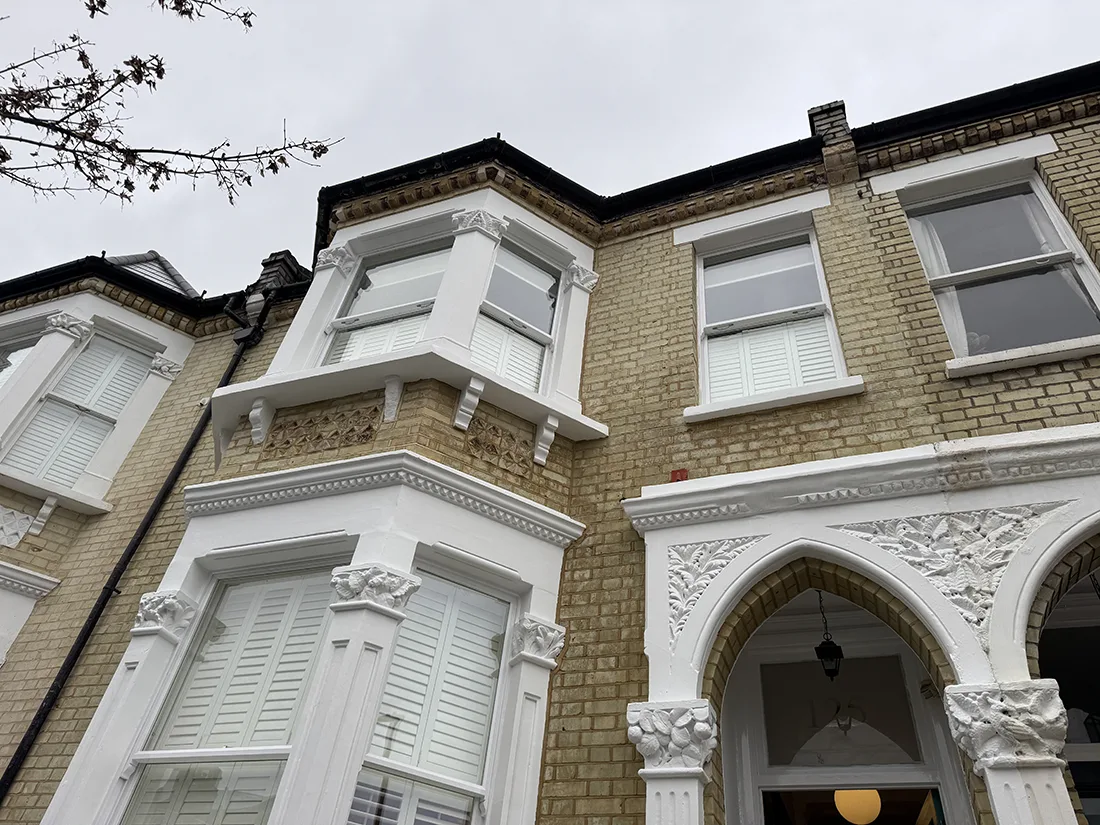
For many owners of period homes across London and the South East, sash windows are one of the most important and most misunderstood elements of their property.

They affect:

  • Comfort and energy efficiency
  • Planning and legal compliance
  • Visual authenticity
  • Long term maintenance costs
  • Resale value

One of the most common assumptions we hear is that choosing between single glazed and double glazed timber sash windows is purely a personal preference.

In reality, UK Building Regulations play a decisive role.

In most cases, if you are replacing a timber sash window, you are legally required to install a double glazed sash window, unless your property is:

  • Listed, or
  • Located in a conservation area with an Article 4 Direction restricting changes

This article explains:

  • The true cost differences between single and double glazing
  • How building regulations affect your options
  • Why prices vary so widely between companies
  • Where Novells’ pricing sits, and why

All using our transparent Perfect Pricing Page Framework, so you can make an informed decision with confidence. 

First: the building regulations reality

Before discussing costs, it’s essential to understand the legal baseline.

What UK Building Regulations require

Under Part L (Conservation of Fuel and Power) of the Building Regulations:

  • When you replace a window (not repair), it must meet modern thermal performance standards
  • Single glazing does not comply with these requirements

As a result:

If you are replacing a wooden sash window, it must be double glazed

The only exceptions

You may install single glazed timber sash windows only if:

  1. The building is listed, or
  2. The property is in a conservation area covered by an Article 4 Direction that explicitly restricts double glazing

Outside of these scenarios, installing new single glazed sash windows is non-compliant, even if they visually match the originals.

This is why many homeowners are surprised to learn that double glazing isn’t an upgrade, it’s the default requirement.

Understanding the two options (in practical terms)

Single glazed timber sash windows

These replicate original historic windows exactly:

  • One pane of glass (typically 2–3mm)
  • Slim glazing bars
  • Traditional sightlines

They are usually specified for:

  • Listed buildings
  • Strict heritage restorations
  • Properties where planning policy overrides Building Regulations

Because they don’t meet thermal standards, they’re often paired with:

  • Secondary glazing
  • Heavy draught proofing

Double glazed timber sash windows

These are purpose designed modern sash windows, not retrofits.

A properly made double glazed sash window includes:

  • Two panes of glass in a sealed unit
  • Sealed double glazed units
  • Timber sections
  • Correctly sized weights and balances

When done properly, they offer:

  • Vastly improved thermal performance
  • Reduced noise pollution
  • Better comfort year round

Crucially, they are fully compliant with Building Regulations.

What drives the cost up?

1. Regulatory compliance and performance

Double glazed sash windows must:

  • Achieve required U-values
  • Use compliant glazing units
  • Be installed to approved standards

This alone increases cost compared to single glazing, which has no performance requirement in exempt buildings.

Cost impact:
Double-glazed sash windows typically cost 20–40% more per window than single-glazed equivalents.

2. Engineering complexity

Double glazing is not just “adding another pane”.

It requires:

  • Deeper rebates
  • Stronger joints
  • Heavier sash weights
  • Precision joinery to avoid bulkiness

Poorly designed systems result in:

  • Chunky glazing bars
  • Windows that don’t open smoothly
  • Premature failure

High quality double glazed sash windows take significantly longer to manufacture.

3. Acoustic performance (a major London factor)

For homes in Chelsea, Fulham, Putney, Richmond and similar areas, noise reduction is often as important as warmth.

Double glazing:

  • Dramatically reduces traffic and street noise
  • Improves sleep and daily comfort

Achieving meaningful acoustic performance requires:

  • Specialist glass specifications
  • Airtight draught proofing

This adds further cost, but also daily quality of life benefits.

4. Planning and heritage detailing

Even when double glazing is permitted, conservation officers often require:

  • Appropriate double glazed units
  • Accurate glazing bar proportions
  • Traditional putt line effect detailing

Meeting these standards costs more than off the shelf systems, but avoids refusals and enforcement issues.

What drives the cost down?

1. Volume manufacturing and standard profiles

Lower end priced companies often:

  • Use standardised bulky window sections
  • Limit timber and glazing options
  • Manufacture in bulk

This reduces cost but can be problematic in period homes where:

  • Openings are irregular
  • Original proportions matter

2. Inferior materials

Cost savings often come from:

  • Fast-growing softwood
  • Poor workmanship
  • Short-lived paint systems

These windows may comply with Building Regulations, but won’t age gracefully.

3. Minimal finishing and aftercare

Cheaper quotes frequently exclude:

  • Proper spray finishing
  • Long-term warranties
  • Ongoing maintenance guidance

This applies to both glazing types, but affects double-glazed units more severely if seals or balances fail.

Why are some companies more expensive?

Specialist sash window makers

Higher priced firms typically offer:

  • Quality box sash construction
  • Correct counterweight systems
  • Bespoke joinery
  • Planning and compliance support

Craftsmanship and risk reduction

Premium firms factor in:

  • Skilled labour
  • Accurate surveys
  • Careful installation
  • Protection of valuable interiors

In high value homes, avoiding mistakes is often worth more than saving upfront.

Why are some companies cheaper?

General builders

General builders may:

  • Lack sash specific knowledge
  • Use inappropriate profiles
  • Miss compliance or detailing issues

The result can be:

  • Poor operation
  • Planning complications
  • Reduced lifespan

Budget sash suppliers

Lower end double glazed sash windows often feature:

  • Thick, clumsy glazing bars
  • Visible trickle vents
  • Incorrect proportions

They technically meet regulations, but compromise the character of the property.

Cost comparison: what should you expect?

In realistic terms:

  • Single glazed timber sash windows
    Available only where exempt
    Lowest upfront cost
  • Double glazed timber sash windows
    Required in most replacements
    Typically 20 – 40% higher per window

However, many homeowners find that:

  • Secondary glazing narrows the gap
  • Heating savings accumulate
  • Comfort improvements are immediate

Where does Novells’ pricing sit, and why?

Novells Sash Windows sit firmly in the premium but transparent category.

We are rarely the cheapest, and intentionally so.

Our pricing reflects:

  • Full compliance with Building Regulations
  • Properly engineered double glazed sash windows
  • Genuine single glazing only where legally permitted
  • Timber selection suited to long term performance
  • Balanced sashes that work effortlessly

We won’t:

  • Install non compliant single glazing
  • Oversell double glazing where it’s not allowed
  • Compromise proportions to cut costs

Instead, we guide you through what’s permitted, what’s required, and what’s best for your home.

Which option is right for you?

Single glazed timber sash windows are appropriate if:

  • Your building is listed
  • An Article 4 Direction prohibits double glazing
  • You prioritise absolute historic accuracy
  • You plan to use secondary glazing

Double glazed timber sash windows are right if:

  • You are replacing windows in a non listed property
  • You want legal compliance without risk
  • Comfort, warmth, and noise reduction matter
  • You want long term value

In most cases today, double glazing isn’t a choice, it’s the correct and compliant solution.

Final thoughts: clarity saves money

The biggest cost mistake homeowners make isn’t choosing double over single glazing; it’s misunderstanding what the law allows.

You should now clearly understand:

  • Why Building Regulations usually require double glazing
  • When single glazing is genuinely permitted
  • Why do double-glazed sash windows cost more
  • How quality and compliance affect long-term value

At Novells, our role is simple: to provide honest advice, heritage expertise, and transparent pricing, so you can move forward with confidence, knowing your windows are right for your home, today and for decades to come.

Frequently asked questions

Can I legally replace my sash windows with single glazed timber windows?

Under UK Building Regulations (Part L), when you replace a window, it must meet modern thermal performance standards, which single glazing does not. As a result, replacement sash windows are required to be double-glazed.

The only exceptions are:

  • Listed buildings, or
  • Properties in conservation areas covered by an Article 4 Direction that specifically restricts double glazing

Outside of these scenarios, installing new single-glazed sash windows would be non-compliant, even if they look identical to the originals.

Are double-glazed sash windows allowed in conservation areas?

Often, yes, but with conditions.

Many conservation areas allow double glazed timber sash windows provided:

  • The glazing is appropriate
  • Glazing bars and sightlines match the originals
  • The external appearance remains unchanged

Each local authority interprets policy differently, which is why experienced sash window specialists factor planning guidance and design compliance into their pricing. Cheaper systems frequently fail on detailing, leading to refusals or enforcement issues later.

Why do double glazed sash windows cost so much more than single glazed ones?

The difference isn’t just the extra pane of glass; it’s the engineering.

Double-glazed sash windows require:

  • Thicker, stronger timber sections
  • Heavier counterweights and balance systems
  • Sealed glazing units
  • Precision joinery to avoid bulky proportions

In real terms, high-quality double-glazed timber sash windows typically cost around 20–40% more than single-glazed equivalents, but they deliver superior comfort, energy efficiency, and long-term value.

Is secondary glazing a cheaper alternative to double glazing?

Sometimes, but it depends on your priorities.

Secondary glazing can:

  • Improve thermal and acoustic performance
  • Be suitable for listed buildings
  • Costs less upfront than replacing windows

However, it also:

  • Adds an internal layer
  • Changes how the window is used and cleaned
  • Doesn’t replace failing or poorly fitting frames
  • Aesthetically ugly

For non-listed homes, replacing windows with properly designed double-glazed sash windows is often the cleaner, more compliant, and longer-term solution.

About the author

As Co-founder of Novells Sash Windows, Philip has spent over 20 years perfecting the craft of designing, supplying, and fitting luxury wooden double-glazed box sash windows.

A family-run business led by Philip and his wife Nicola, Novells has fitted thousands of wooden windows across London and Surrey, with clients including Vivienne Westwood and the Victoria & Albert Museum.

Share this post