If you’re researching new timber sash windows, this question almost always comes up:
Should I choose softwood or Accoya?
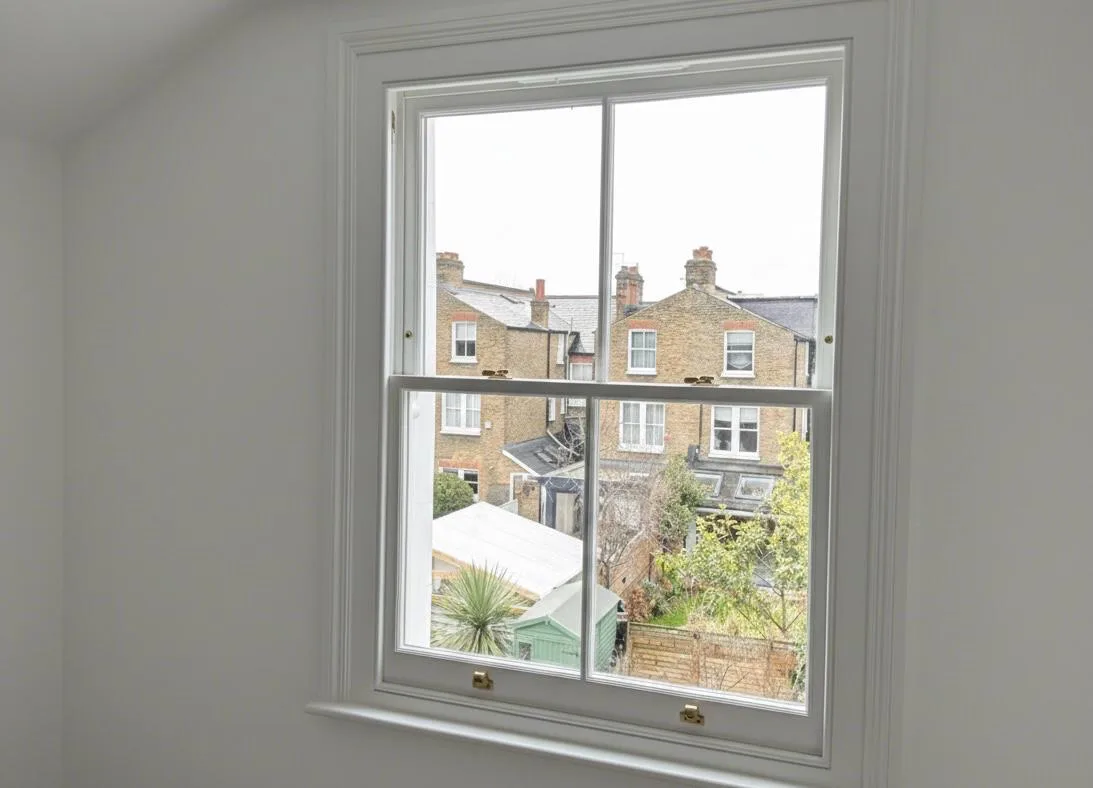
You may already have heard that Accoya is the “best” timber, or that softwood doesn’t last. The reality is more nuanced than that, and marketing hype often muddies the water.
At Novells Sash Windows, we install both engineered softwood sash windows and Accoya sash windows. That puts us in a rare position: we don’t need to push one material over the other.
This article is a straight, honest comparison to help you decide which option is right for your home, your expectations, and your long term plans.
Choosing the wrong timber won’t necessarily cause problems straight away, but 10, 15, or 20 years down the line, it can make a big difference.
Homeowners typically worry about:
Those are fair concerns. Let’s deal with them properly.
When people hear softwood, they often imagine:
That is not what we install.
Our softwood sash windows are made from engineered redwood, which is:
In short, this is high-quality joinery, not budget timber.
Accoya is a modified softwood that has been chemically altered at a molecular level to improve its performance.
The process:
Accoya is widely regarded as one of the most stable timbers available for external joinery and comes with strong manufacturer guarantees when used correctly.
It is not “plastic wood”, and it is not maintenance-free, but it does behave exceptionally well in challenging conditions.
Here’s how the two materials stack up in real-world sash window use.
Verdict: Accoya wins on pure stability.
Verdict: Both perform well; Accoya offers a wider safety margin.
Verdict: Accoya typically extends repainting intervals.
Internal link opportunity: How Long Do Wooden Sash Windows Last?
Verdict: Neither is maintenance free; Accoya reduces risk, not responsibility.
Verdict: Both are environmentally responsible choices when sourced correctly.
Verdict: This is where priorities matter most.
How Much Do New Wooden Sash Windows Cost?
Softwood is often the right decision when:
Properly made and maintained, engineered softwood sash windows can last for decades.
They are not a compromise, they are a considered choice.
Accoya often suits homeowners who:
Accoya doesn’t remove the need for maintenance, but it reduces the likelihood of timber related issues over time.
Here’s the truth most articles won’t tell you:
Timber choice matters, but workmanship matters more.
Poor design, bad installation, incorrect glazing, or cheap paint systems will cause problems regardless of timber.
A well-made softwood window will outperform a badly made Accoya window every time.
Softwood and Accoya are both excellent materials when used in the right context.
There is no universal “best” choice, only the best choice for your home, budget, and long-term plans.
If someone tells you:
They’re oversimplifying a much more important decision.
At Novells Sash Windows, we:
If you want advice based on experience, not pressure, we’re happy to help.
Accoya can be worth the additional cost if you’re looking for maximum stability, reduced timber movement, and longer paint life, particularly on exposed elevations or in a long term “forever home.” However, high-quality engineered softwood sash windows, when properly treated, painted, and maintained, also offer excellent durability and performance. The right choice depends on your priorities, not just the material itself.
Both softwood and Accoya sash windows will last several decades when they are well made, correctly installed, and properly maintained. Engineered softwood sash windows benefit from modern pre-treatments and paint systems, while Accoya offers enhanced resistance to movement and rot. In real world conditions, maintenance and workmanship often have a greater impact on lifespan than timber choice alone.
Yes, all timber sash windows require maintenance, regardless of the timber used. Accoya does not eliminate maintenance, but it can reduce the risk of paint failure and timber movement, meaning repainting intervals may be longer. Softwood sash windows need sensible, periodic upkeep to perform at their best, but this is entirely normal for high-quality wooden windows.

As Co-founder of Novells Sash Windows, Philip has spent over 20 years perfecting the craft of designing, supplying, and fitting luxury wooden double-glazed box sash windows.
A family-run business led by Philip and his wife Nicola, Novells has fitted thousands of wooden windows across London and Surrey, with clients including Vivienne Westwood and the Victoria & Albert Museum.
